Main Issue
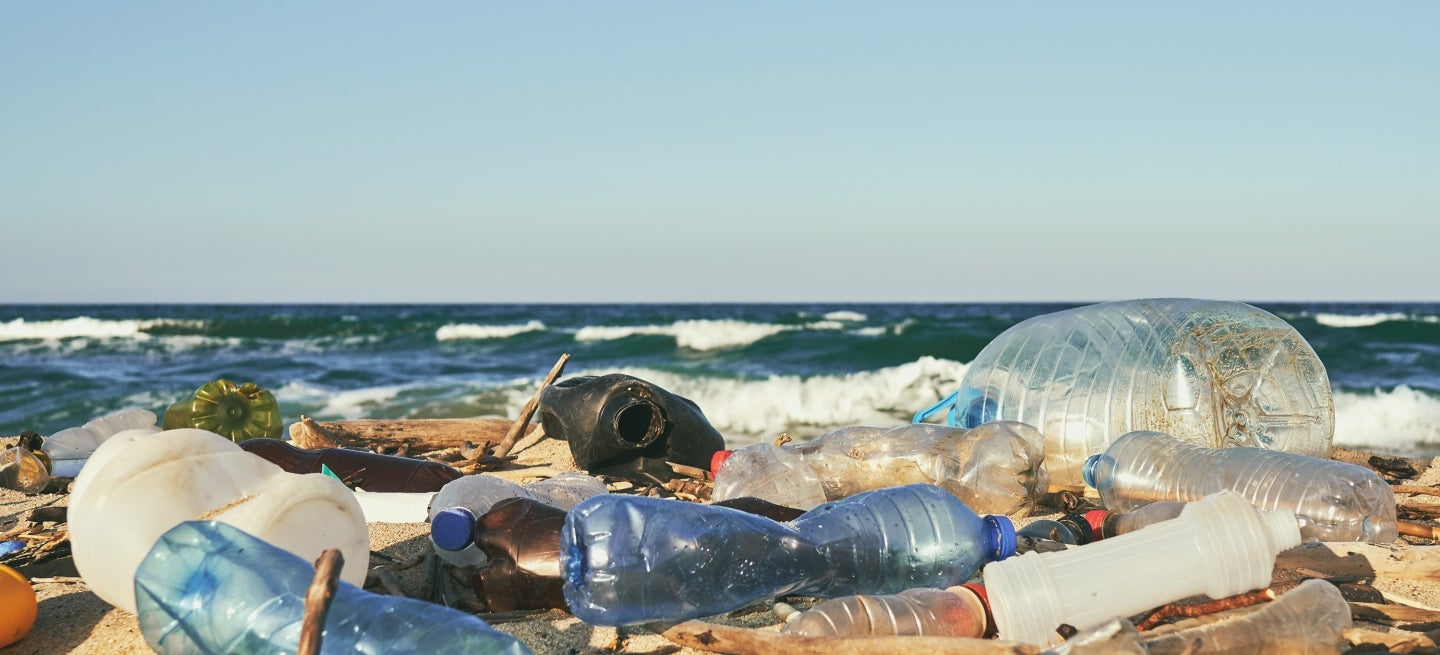
Plastic pollution is a stubborn and growing environmental challenge that affects every country and every person on the planet, starting in the womb. The exponential rise in plastic production, consumption and waste has a profound impact on marine, freshwater, and terrestrial ecosystems around the world.
While we are still learning about the effects of plastics on the body, the hazardous chemicals released during plastic production and disposal are linked to serious health issues for humans and animals.


What We Do
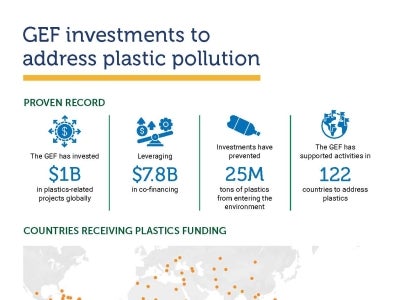
Addressing this growing challenge aligns closely with the GEF’s mission – supporting country-driven action to generate environmental benefits – and its work in this area has been expanding through a variety of initiatives over the past 15 years. Since then, the GEF has supported activities to address plastics in 122 countries.
In the past decade alone, $1 billion of GEF funding has been channeled into plastics-related projects, generating nearly $8 billion in co-financing. These investments have prevented nearly 25 million metric tons of plastics from entering the waste stream.
The GEF’s work to address this issue started in 2010, when it started focusing on plastics through its efforts to reduce persistent organic pollutants (POPs). Funding then began to target reducing plastics waste, including marine debris. The GEF was proud to fund an initiative to build a global alliance across the entire plastics value chain, leading to the 2018 launch of the New Plastic Economy Global Commitment.
More recent initiatives have helped bolster government policies, business practices and public awareness that reduce plastic production, consumption and waste. Other projects supported improved waste management, and sought to improve the livelihoods and health of informal sector workers engaged in waste picking. Private sector engagement has been central to efforts, which included an incubator or accelerator program to boost start-ups and small businesses, such as reuse programs or alternative materials to plastics.
invested in plastics-related projects globally
leveraged in co-financing
tons of plastics prevented from entering the environment
countries supported by the GEF to address plastics
Project data from GEF-5 to June 2025
Looking Ahead
The GEF is investing in projects that promote a circular economy approach, with interventions spanning the entire plastics value chain.
Upstream measures focus on preventing plastic pollution, through reduction of both production and consumption. This includes reducing the use of single-use plastics, using safer chemicals and sustainable tourism practices.
At the midstream level, GEF-supported initiatives focus on managing plastics more responsibly during use. This includes efforts to boost reuse, recycling and composting systems. The infrastructure upgrades are coupled with educational efforts to shift behavior as well as financial incentives for sustainable practices.
GEF-funded actions on the downstream stage support the proper disposal and cleanup of plastic waste. These include efforts to manage marine litter originating from the shipping and fishing industries, waste management in tourism and agriculture and plastic solutions related to the food and tourism sectors in Small Island Developing States.